Origins of Christmas Trees: How Evergreens Became Traditions
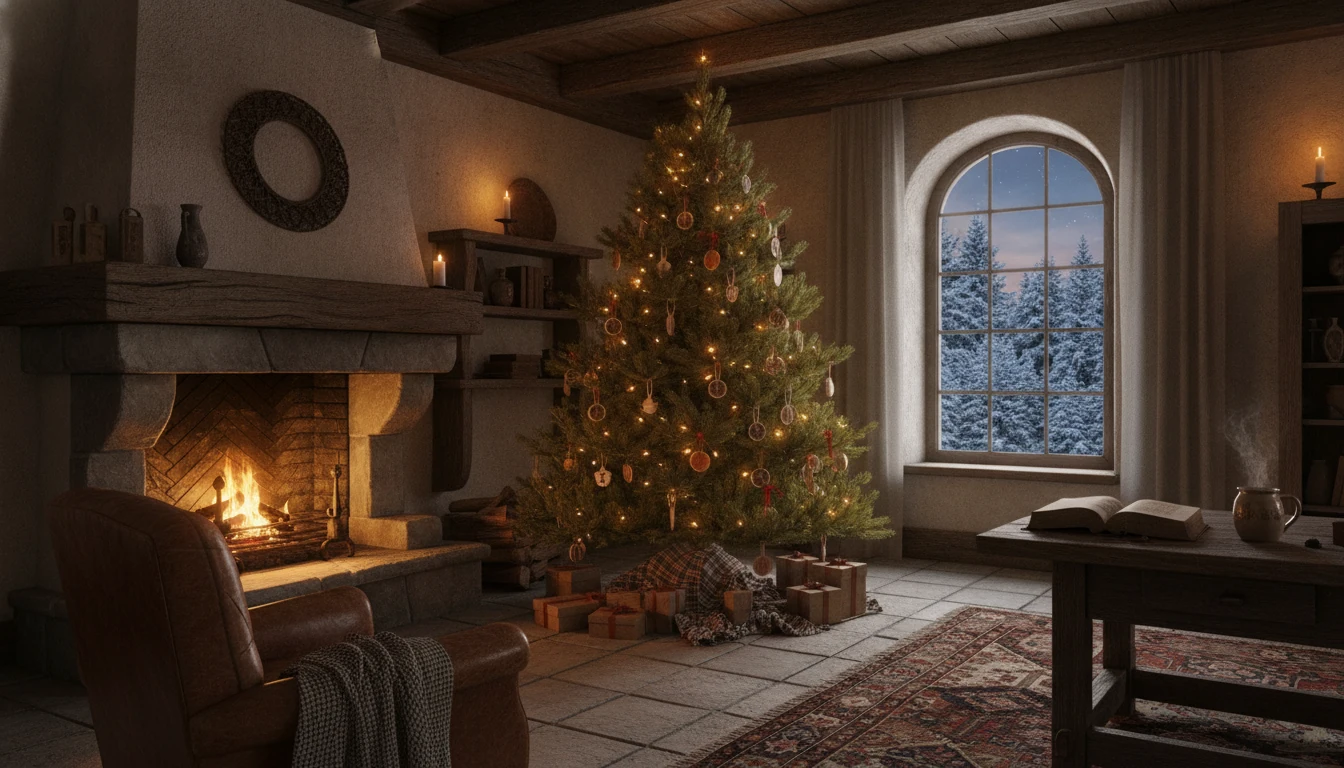
Where did evergreens originate as Christmas trees?
Evergreens became Christmas trees through a mix of ancient winter traditions and later Christian customs, with the strongest early “Christmas tree” roots in German-speaking Europe. Long before decorated trees appeared in living rooms, evergreen branches and wreaths were valued across many cultures because they stayed green through winter—making them a natural symbol of life, renewal, and hope during the darkest part of the year.
The practice most closely resembling the modern Christmas tree developed in parts of Germany and surrounding regions in the late Middle Ages and early modern period. One important influence was the “Paradise tree,” used in religious plays about Adam and Eve and traditionally associated with December 24. These trees were often decorated with apples (and later wafers or other treats), creating a recognizable ancestor of the ornamented holiday tree.
By the 16th and 17th centuries, decorated evergreens were increasingly connected to Christmas celebrations in German communities. From there, the tradition spread across Europe and eventually to North America through immigration and cultural exchange. As it traveled, it evolved—adding candles, handmade ornaments, tinsel, and later electric lights—yet the core idea stayed the same: bringing an evergreen indoors as a seasonal centerpiece.
Want a deeper, source-backed timeline of how this custom traveled and changed? Read the full guide here: Where did evergreens originate as Christmas trees?
For Origins of Christmas Trees: How Evergreens Became Traditions, the best answer depends on fit, material, care instructions, and how the product will be used day to day.
Checking those details first helps avoid a poor match and keeps the choice practical after delivery.
For Origins of Christmas Trees: How Evergreens Became Traditions, the best answer depends on fit, material, care instructions, and how the product will be used day to day.
FAQ
When did Christmas trees become popular in America?
Christmas trees grew in popularity in the U.S. during the 1800s, especially after German immigrants continued the tradition and it became more widely publicized. By the early 1900s, decorated trees were a familiar part of many American holiday celebrations.









Leave a comment