Breakfast Nook Banquette Guide: Layout, Sizes & Storage
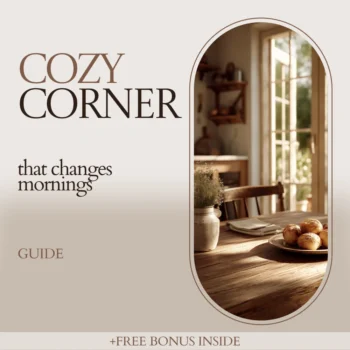
The Cozy Corner That Changes Mornings
A well-planned breakfast nook turns an underused corner into the most-used seat in the house. Banquette seating is the secret: it saves floor space, makes the kitchen feel calmer, and creates a comfortable “default spot” for coffee, cereal, and those five-minute conversations that set the tone for the day. The details matter—layout, sizing, cushions, storage, materials, lighting, and a few styling choices that keep it looking built-in without making it precious. For more guidance, see 30 Cozy Breakfast Nooks for Every Size Kitchen in 2025.
Why Banquette Seating Works So Well for Morning Routines
Banquettes succeed because they organize daily life. Instead of drifting between the island, couch, and dining room, the nook becomes a dedicated landing zone for quick breakfasts, homework checks, packing lunches, and a quiet cup of coffee. For further reading, see 31 Breakfast Nook Ideas From the AD Archive – Architectural Digest.
- They fit more people into less square footage than stand-alone chairs, especially along walls and in corners.
- The “anchored” feel encourages lingering and often keeps kids seated longer.
- Built-in options can hide clutter (placemats, lunchboxes, serving pieces), keeping counters clearer during the morning rush.
- You can choose the look: true built-in, hybrid (bench + paneling), or furniture-style banquettes.
Choose the Right Spot: Layouts That Make a Nook Feel Intentional
The best nook location is the one that protects traffic flow while still feeling connected to the kitchen. Before committing, open appliance doors, walk your usual paths, and imagine two people passing behind seated diners.
- Corner L-shape: Great for small kitchens and open plans; it naturally defines a zone.
- U-shape: Ideal for families and entertaining, but only if you have generous clearance around the table.
- Straight bench against a wall: The simplest solution; pair it with two chairs on the open side.
- Bay window nook: Maximizes natural light—just plan for heat/UV on cushions and fabrics.
- Traffic flow check: Avoid placing the nook where appliance doors collide or where it pinches the main walkway.
Sizing and Clearances: The Measurements That Prevent Regrets
Most breakfast-nook disappointments come down to one thing: proportions. A banquette that’s too tall after cushions, too deep for dining, or too tight to slide into will look great and feel frustrating. Use common residential dimension guidance as a starting point, then adjust for your household and table choice (references like Architectural Graphic Standards are helpful for typical ranges).
Quick Planning Guide for a Comfortable Breakfast Nook
| Element | Common Range | Comfort Notes |
|---|---|---|
| Dining table height | 28–30 in (71–76 cm) | Pairs well with standard dining seating; keep consistent across the nook |
| Finished seat height (including cushion) | 17–19 in (43–48 cm) | Aim for ~10–12 in (25–30 cm) from seat to underside of tabletop for leg comfort |
| Seat depth | 18–22 in (46–56 cm) | Use 18–20 in for upright dining; 20–22 in feels cozier with supportive back pillows |
| Backrest angle | 90–105° | Slight recline improves comfort; too much recline makes eating awkward |
| Clearance behind chairs (if used on open side) | 30–36 in (76–91 cm) | More clearance helps in busy kitchens and tight walkways |
For circulation, it helps to think in terms of “path of travel” and unobstructed movement—concepts echoed in resources like the ADA Standards for Accessible Design (even in non-ADA residential spaces, the underlying clearance logic improves day-to-day comfort).
Built-In vs. Furniture-Style Banquettes
The right banquette style depends on your timeline, budget, and whether you want something permanent.
- True built-in: The most seamless look; best if you’re staying long-term and can handle carpentry or hire help.
- Furniture-style bench: Fastest setup and easiest to move; typically less hidden storage, but more flexibility.
- Hybrid approach: A bench paired with wall paneling or beadboard can feel “custom” without a full build.
- Rentals: Choose freestanding benches, removable wall treatments, and washable textiles.
- Budget priorities: Spend on the table (durability) and cushions (comfort); simplify trim if needed.
Comfort Details That Make the Nook a Favorite Seat
Comfort is a combination of support, softness, and small “pain point” fixes.
- Cushion strategy: A single long cushion looks tailored; segmented cushions are easier to replace later.
- Back support: A firmer backrest plus softer pillows gives both upright dining support and lounge comfort.
- Fabric selection: Performance fabrics or washable covers handle spills, syrup, and coffee without constant stress.
- Edge comfort: Rounded seat fronts and smooth trim reduce pressure behind the knees.
- Kid-friendly add-ons: Wipeable surfaces, slipcovers, and hooks at kid height for backpacks keep mornings moving.
Storage and Function: Hidden Space Without Visual Clutter
Lighting, Color, and Materials That Create a “Cozy Corner” Feel
Styling That Still Works on a Tuesday Morning
Common Mistakes and Simple Fixes
Helpful Digital Guides (In Stock)
FAQ
What’s the most comfortable seat height for a breakfast nook banquette?
A comfortable finished banquette seat height (including the cushion) is typically 17–19 inches. Pair that with a standard 28–30 inch table and aim for about 10–12 inches of clearance from the seat to the underside of the tabletop; always factor cushion thickness into your final build height.
Is a round or rectangular table better with banquette seating?
Round tables improve flow in tight corners and make conversation easy, while rectangular tables maximize usable surface area and align neatly with straight benches. If knee room is a concern, a pedestal base (round or rectangular) often feels more comfortable than four legs.
How can a breakfast nook be made kid-friendly without looking messy?
Use performance fabrics or washable slipcovers, choose wipeable surfaces, and prioritize closed storage for the items that cause visual clutter. A simple basket-and-hooks system nearby and a “mostly clear table” habit keep the nook tidy without feeling strict.









Leave a comment