Baby’s First Tooth: Comfort, Care & Brushing Tips

Baby’s First Tooth: Practical Tips for Comfort, Care, and Healthy Habits
The first tooth is a milestone that can bring new questions about comfort, sleep, feeding, and oral care. Gentle routines and a few evidence-based strategies can reduce fussiness while protecting new enamel from day one. Below are practical, parent-friendly tips for spotting common teething signs, soothing discomfort safely, starting brushing, and knowing when symptoms may point to something other than teething.
What to Expect When the First Tooth Arrives
Baby teeth don’t follow a strict schedule. Many babies cut their first tooth around the middle of the first year, but earlier or later can still be normal. What matters most is how your baby is doing overall—energy, hydration, and comfort.
Common teething signs include increased drooling, gum rubbing, mild irritability, and a strong desire to chew. Some babies also have temporary changes in sleep, especially if discomfort peaks in the evening.
Teething often overlaps with other big changes—more rolling and crawling, trying new foods, and separation awareness. Those developmental shifts can amplify fussiness even when gum pain is mild.
A slightly higher temperature can happen, but high fever, vomiting, or persistent diarrhea are not expected teething symptoms. When symptoms don’t match “mild and temporary,” it’s worth checking in with a clinician. For additional guidance, see the American Academy of Pediatrics resource on teething at HealthyChildren.org.
Safe Comfort Measures That Often Help
When gums feel tender, simple options usually do the most:
- Chilled teether or washcloth: Offer a clean, chilled (not frozen solid) teething ring or a cold washcloth for short, supervised chewing sessions. Very hard frozen objects can bruise gums.
- Gentle gum massage: With a clean finger, apply steady pressure along the sore area. Many babies find pressure soothing because it “cancels out” some of the throbbing sensation.
- Drool skin protection: Pat drool dry (rubbing can make redness worse), then apply a thin barrier ointment on the chin/neck if irritation shows up.
- Ask about medication when needed: If pain is affecting feeding or sleep, ask your pediatrician about age-appropriate pain relief and follow dosing instructions carefully.
- Avoid numbing gels unless directed: Products containing benzocaine or lidocaine are generally discouraged for infants unless specifically directed by a clinician, since risks can outweigh benefits.
Feeding During Teething: Keeping It Comfortable
Teething can briefly change feeding patterns. Some babies nurse or take a bottle for shorter stretches and want to feed more often. If that happens, try smaller, more frequent feeds in a calm, low-distraction environment.
If your baby is already cleared for solids, cold purees or chilled soft foods can feel good on sore gums. Stick to textures that match your baby’s stage, and avoid hard foods that raise choking risk.
Watch for biting. If biting starts during breastfeeding or bottle-feeding, calmly end the feeding for a moment, then re-latch or resume once your baby settles. The goal is to stay neutral and consistent so biting doesn’t turn into a fun reaction game.
Starting Oral Care From Tooth #1
- Use a tiny amount of fluoride toothpaste: A smear about the size of a grain of rice is commonly recommended unless your dentist or pediatrician advises otherwise.
- Brush twice daily: Keep sessions brief but consistent, focusing on the gumline where plaque collects.
- Skip bedtime bottles of milk or juice: Letting baby fall asleep with a bottle increases time sugar sits on teeth, raising cavity risk.
- Plan the first dental visit: Many pediatric dental recommendations suggest a first visit by the first birthday or within 6 months of the first tooth to build preventive habits early. The American Dental Association has a helpful overview here: Children’s Oral Health.
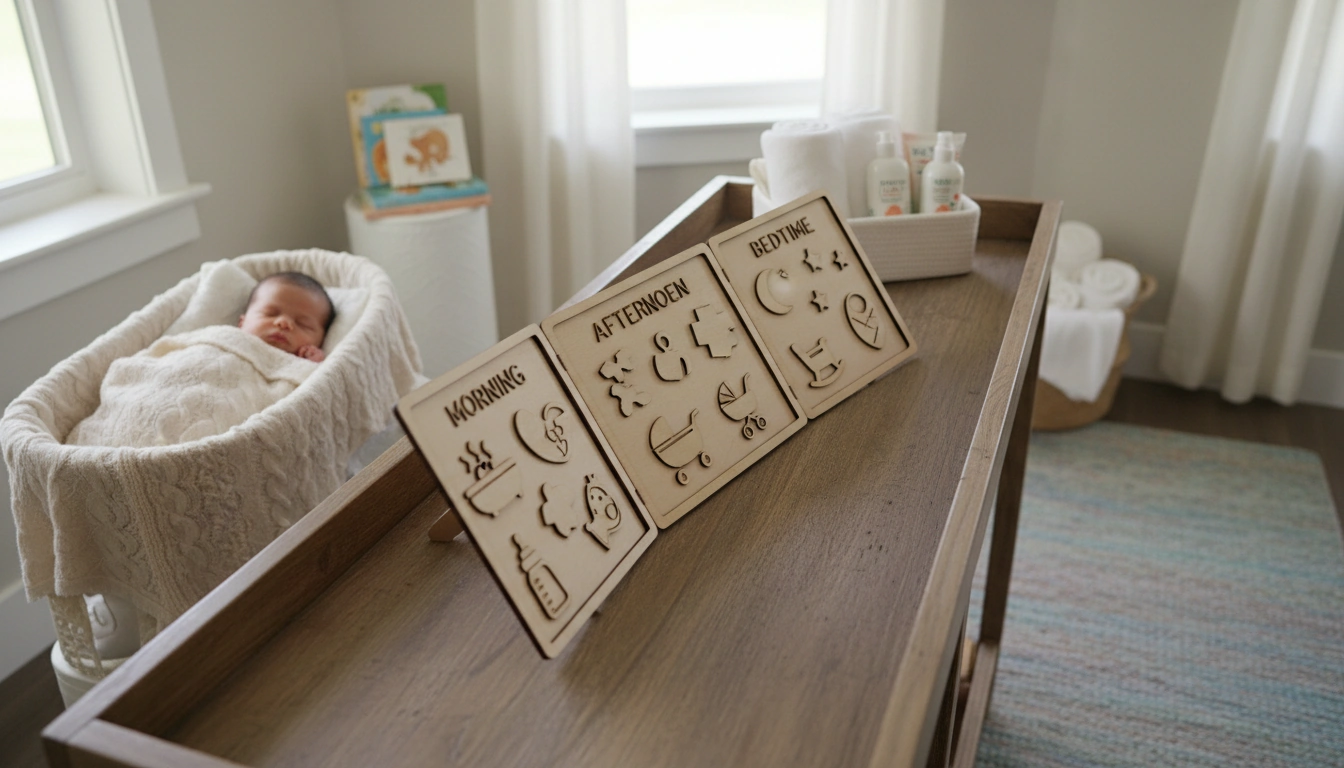
Sleep and Soothing Routines That Reduce Night Wakings
When It Might Not Be Teething
Quick Guide: Typical Teething vs. Reasons to Check In
| Common during teething | Try at home | Contact a clinician |
|---|---|---|
| Drooling, gum rubbing, mild fussiness | Chilled teether, gum massage, barrier cream for drool rash | Drool rash with open sores or signs of infection |
| Chewing on hands/toys, mild sleep disruption | Consistent bedtime routine, brief comfort checks | Inconsolable crying or sleep disruption with other symptoms |
| Slight appetite changes | Smaller frequent feeds, cool soft foods when appropriate | Refusing fluids, fewer wet diapers, vomiting |
| Mild temperature variation | Light clothing, comfort measures | Fever, lethargy, breathing trouble, persistent diarrhea |
A Simple Day-by-Day Plan for the First Tooth Week
Extra Support: A Handy Digital Guide for Parents
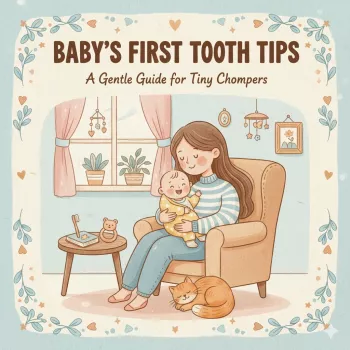
If you like having steps and reminders in one place (especially at 2 a.m.), a structured resource can make the first teething cycle feel less guesswork-heavy. Baby’s First Tooth Tips Ebook is designed to help organize what’s normal, what to try first, and when to seek care, with checklists you can revisit as more teeth arrive.
For parents who enjoy quick, practical reads during nap time, The Psychology of Shopping is another digital download option to browse when you’re looking for something light between baby milestones.
FAQ
When should brushing start for a baby’s first tooth?
Start brushing as soon as the first tooth appears. Brush twice daily with a soft infant brush and a rice-grain-sized smear of fluoride toothpaste, and plan a first dental visit by age one or within 6 months of the first tooth.
What teething remedies should be avoided?
Avoid benzocaine or lidocaine numbing gels unless a clinician specifically directs their use, and skip unsafe items like amber necklaces or rock-hard frozen objects. Chilled teethers, gum massage, and pediatric guidance for pain relief are safer choices.
Can teething cause a fever or diarrhea?
Mild fussiness and drooling are common, and some babies may have slight temperature changes. High fever, persistent diarrhea, vomiting, or significant lethargy are not typical teething symptoms and should prompt a medical check.









Leave a comment