4-Month-Old First Tooth: Signs, Soothing & Brushing
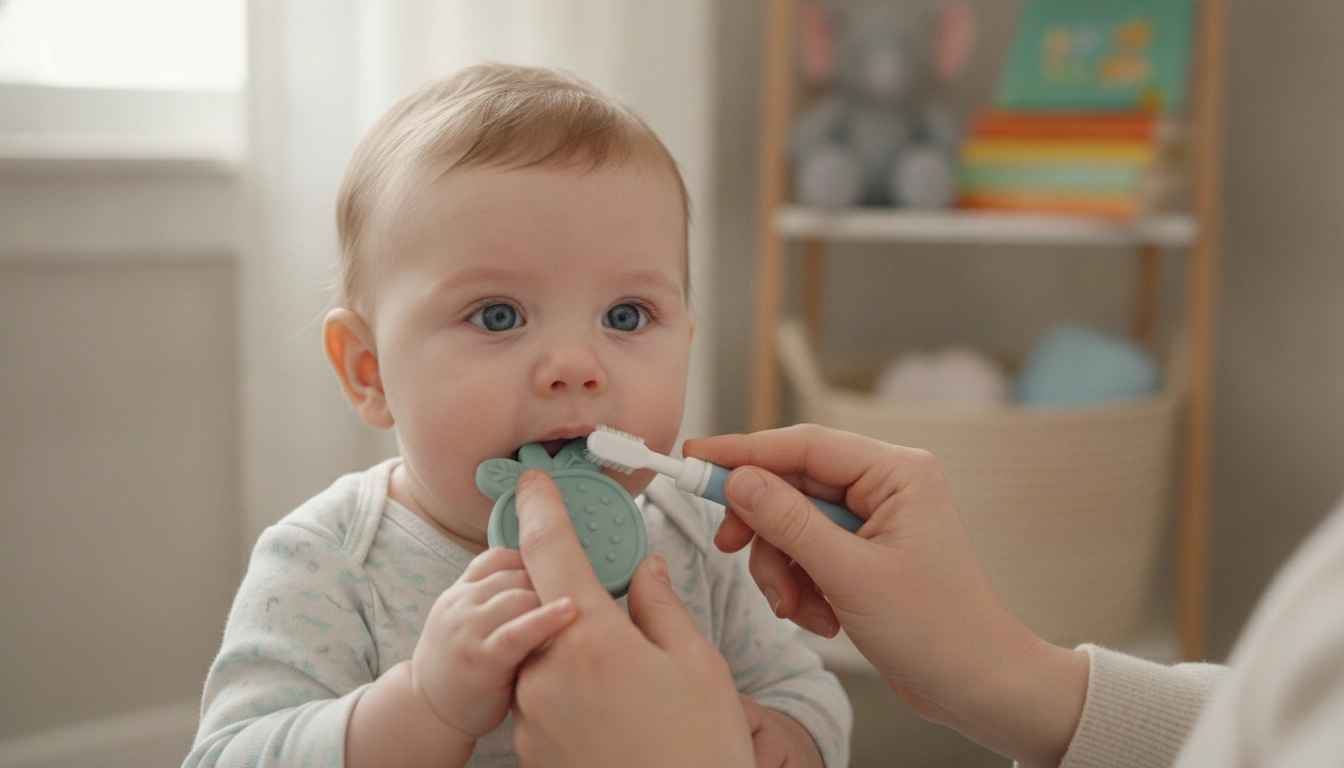
Can a 4 month old get their first tooth?
Yes. While many babies don’t cut their first tooth until closer to 6 months, some start as early as 4 months (and a few even earlier). Early teething is usually normal, especially if your baby is otherwise healthy and growing well.
What early teething can look like at 4 months
At this age, teething signs can overlap with normal baby behaviors. Common clues include extra drooling, chewing on hands or toys, mild gum swelling, and increased fussiness—especially in the late afternoon or at night. You might also notice your baby wanting to nurse or bottle-feed more often for comfort.
Which tooth usually comes first?
Most babies get the bottom front teeth (lower central incisors) first, followed by the top front teeth. If you see a small white edge under the gum or feel a tiny bump with a clean finger, a tooth may be close to breaking through.
How to soothe a teething baby safely
Try gentle gum massage with a clean finger, a chilled (not frozen) teether, or a cool, damp washcloth to chew on. If your baby is already eating solids, cold purees can sometimes help. Avoid numbing gels with benzocaine and teething necklaces, which can be unsafe.
Do you need to brush a first tooth right away?
Once the tooth appears, start cleaning it daily with a soft, baby-sized toothbrush or a silicone finger brush and a tiny smear of fluoride toothpaste (about the size of a grain of rice). This builds a routine early and helps protect that new enamel.
For more comfort and care tips—plus what to do when the tooth finally pops through—visit this guide to baby’s first tooth.
For 4-Month-Old First Tooth: Signs, Soothing & Brushing, the best answer depends on fit, material, care instructions, and how the product will be used day to day.
FAQ
How can I tell if my baby is teething or just drooling?
Teething often comes with gum tenderness, more chewing, and irritability along with drool. If drooling is the only change and your baby seems comfortable, it may simply be a normal developmental phase.











Leave a comment